
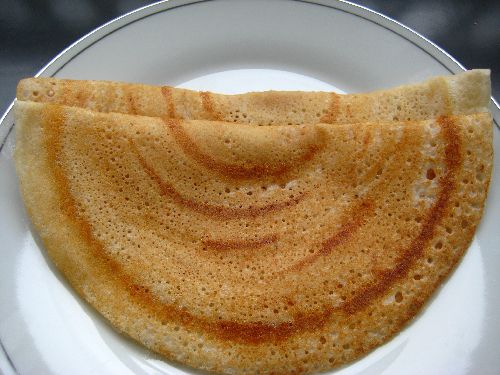
In Tamil Nadu, a fermented batter made with rice, urad dal, and fenugreek is commonly used for preparing idli, dosa, and paniyaram. The ratio of rice to urad dal, the way the ingredients are ground, and proper fermentation all play an important role in the final texture.
Below are two methods I have used. The first is especially suited for soft idlis, while the second is an all-purpose batter that can be used for idli, dosa, and paniyaram.
Preparing Idli Dosa Batter / Idli Dosa Maavu – Method 1
This method is especially useful when you want a soft idli batter. I learned these tips from one of my friends.
Recipe Details
Basic Batter
Tamil Nadu / South Indian
Sashi
Ingredients
- Idli rice or Ponni rice – 6 cups
- Urad dal – 1 cup
- Cooked white rice – 1 cup
- Fenugreek seeds – 2 tsp
- Salt – 1 tsp, or to taste
- Water – as needed, for soaking and grinding
Preparation
- Rinse the idli rice and soak it in enough water until well hydrated for grinding.
- Rinse the urad dal and fenugreek seeds and soak them separately in enough water.
- You can use either a wet grinder or a powerful mixer/blender. A wet grinder generally takes longer but can produce a light, fluffy batter.
- Drain the rice and grind it together with the cooked white rice, adding water gradually.
- Grind until mostly smooth with just a very slight graininess. The batter should be thick rather than watery.
- Drain the urad dal and fenugreek seeds.
- Grind them separately, adding water little by little, until the urad batter becomes light, smooth, and fluffy.
- Transfer both batters to a large bowl or vessel with plenty of room for expansion.
- Add salt and mix thoroughly with a clean spatula or clean hand.
- Cover loosely and leave the batter in a warm, draft-free place until well fermented and visibly risen.
- Fermentation time will vary depending on room temperature and climate. In cooler weather, an oven with only the light on or a low-temperature proof setting can provide a gently warm environment.
- Once fermented, mix the batter gently.
- Keep the batter fairly thick for making idlis.
Tips for Method 1
Rice: Idli rice or an appropriate parboiled rice generally works better for traditional idli batter than ordinary long-grain rice.
Urad Dal: Add water gradually while grinding urad dal. A light and fluffy urad batter helps produce softer idlis.
Batter Consistency: Avoid making the rice batter too watery. You can always add a little water later, but an overly thin batter is difficult to correct.
Fermentation: Look for visible signs of fermentation such as an increase in volume, small bubbles, and a pleasantly fermented aroma rather than relying only on a fixed number of hours.
Storage: Once fermented, refrigerate the batter promptly in a clean covered container. Use it while it retains a pleasant fermented aroma and normal appearance.
Preparing Idli Dosa Batter / Idli Dosa Maavu – Method 2
This is the all-purpose batter method my mom commonly uses. The same batter can be kept thick for idli and later thinned slightly for dosa or paniyaram.
Recipe Details
Basic Batter
Tamil Nadu / South Indian
Sashi
1 hour
About 12 hours
About 13 hours
5
Actual soaking, grinding, and fermentation time may vary depending on the rice, grinder, room temperature, and climate.
Ingredients
- Idli rice or Ponni rice – 4 cups
- Urad dal – 1 cup
- Fenugreek seeds – 3 tsp
- Salt – 1 tsp, or to taste
- Water – as needed, for soaking, grinding, and adjusting the batter
Preparation
- Rinse the rice well and soak it in enough water.
- Rinse the urad dal and fenugreek seeds and soak them separately.
- Drain the rice and grind it into a smooth batter, adding water gradually.
- Drain the urad dal and fenugreek seeds and grind them together until smooth, light, and fluffy.
- Combine the rice batter and urad dal batter in a large vessel.
- Add salt and mix thoroughly.
- Cover loosely and leave in a warm place until the batter has risen and fermented well.
- Once fermented, gently mix the batter.
- Keep the batter thick when using it for idlis.
Using the Batter for Idli, Dosa, and Paniyaram
For Idli
Use freshly fermented batter while it is still thick and well aerated. Pour into greased idli molds and steam until the idlis are cooked through.
For Dosa
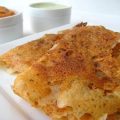
Take the required amount of batter and add a little water at a time until it reaches a smooth, pourable dosa-batter consistency.
For Paniyaram
The same fermented batter can be used for paniyaram. Chopped onion, green chilies, curry leaves, and coriander leaves can be mixed into the batter for a savory variation.
An egg can also be added as an optional variation for a softer texture. If using egg, cook the paniyaram thoroughly.
Tips
Fresh Batter for Idli: Thick, freshly fermented batter generally gives the best soft idli texture.
Older Batter: As refrigerated batter continues to develop a stronger fermented flavor, it is especially useful for dosa, paniyaram, or uttapam.
Do Not Over-Dilute: Add water only to the portion of batter you plan to use for dosa. Keeping the remaining batter thick gives you more flexibility.
Over-Fermented Batter: If the batter becomes more sour than you prefer, use it for dosa, paniyaram, or uttapam and add onions, green chilies, curry leaves, or coriander leaves if desired. Avoid repeatedly diluting and draining the batter, as this can affect its texture and flavor.
Cold Weather: Fermentation takes longer in winter. Keep the batter in a gently warm location, but avoid placing it in an oven that has been heated to a high temperature.
Storage: Refrigerate fermented batter promptly in a clean covered container. Take out only the amount needed and return the remaining batter to the refrigerator.
Serving Suggestion
Use this batter to prepare soft idlis for breakfast and dosa or paniyaram for breakfast or dinner. Serve with coconut chutney, onion chutney, sambar, or your favorite South Indian gravy.
Recipe Source: Method 1 includes tips from one of my friends. Method 2 is the method commonly used by my mom.


Leave a Reply